Planning a hike to the second-highest volcano in Indonesia? Knowing the best time to climb Mount Rinjani is the most crucial factor in ensuring a safe, enjoyable, and unforgettable adventure. Weather conditions, trail accessibility, and national park regulations on Lombok Island change throughout the year.
As an officially licensed operator, Lombok Rinjani Guide has created this ultimate, comprehensive monthly weather guide to help you choose the perfect window for your expedition.
🗒️ Quick Summary: Mount Rinjani Climbing Calendar
Before diving into the detailed monthly breakdowns, here are the vital dates and limits fixed by the Mount Rinjani National Park Authority (Balai Taman Nasional Gunung Rinjani):
- Official Open Trekking Season: April 1 – December 31.
- Official Closed Season (Rainy Monsoon): January 1 – March 31 (The park is closed entirely for safety and ecosystem recovery).
- The Ultimate Climbing Window: May to October (Dry season with the clearest skies).
- Daily Visitor Quota: Limited to 400 trekkers per day across official routes to protect the environment.
| Period | Status | Weather Overview | Trekking Highlights |
|---|---|---|---|
| Jan – Mar | 🚫 Closed | Heavy rain & high winds | Park closed for safety & ecosystem recovery |
| April | 🌱 Season Opening | Transition weather / Light rain | Lush green landscapes & quiet trails |
| May – Oct | ⭐ Peak Window | Dry season, sunny & clear skies | Optimal climbing conditions & stunning vistas |
| Nov – Dec | 🌦️ Shoulder Season | Early monsoon / Intermittent rain | Fewer crowds & dramatic mountain fog |
🌤️ Mount Rinjani Weather and Climate Patterns
Mount Rinjani’s climate is heavily driven by tropical monsoons, creating two distinct seasons that dramatically alter the trekking experience:
1. The Dry Season (April to October)
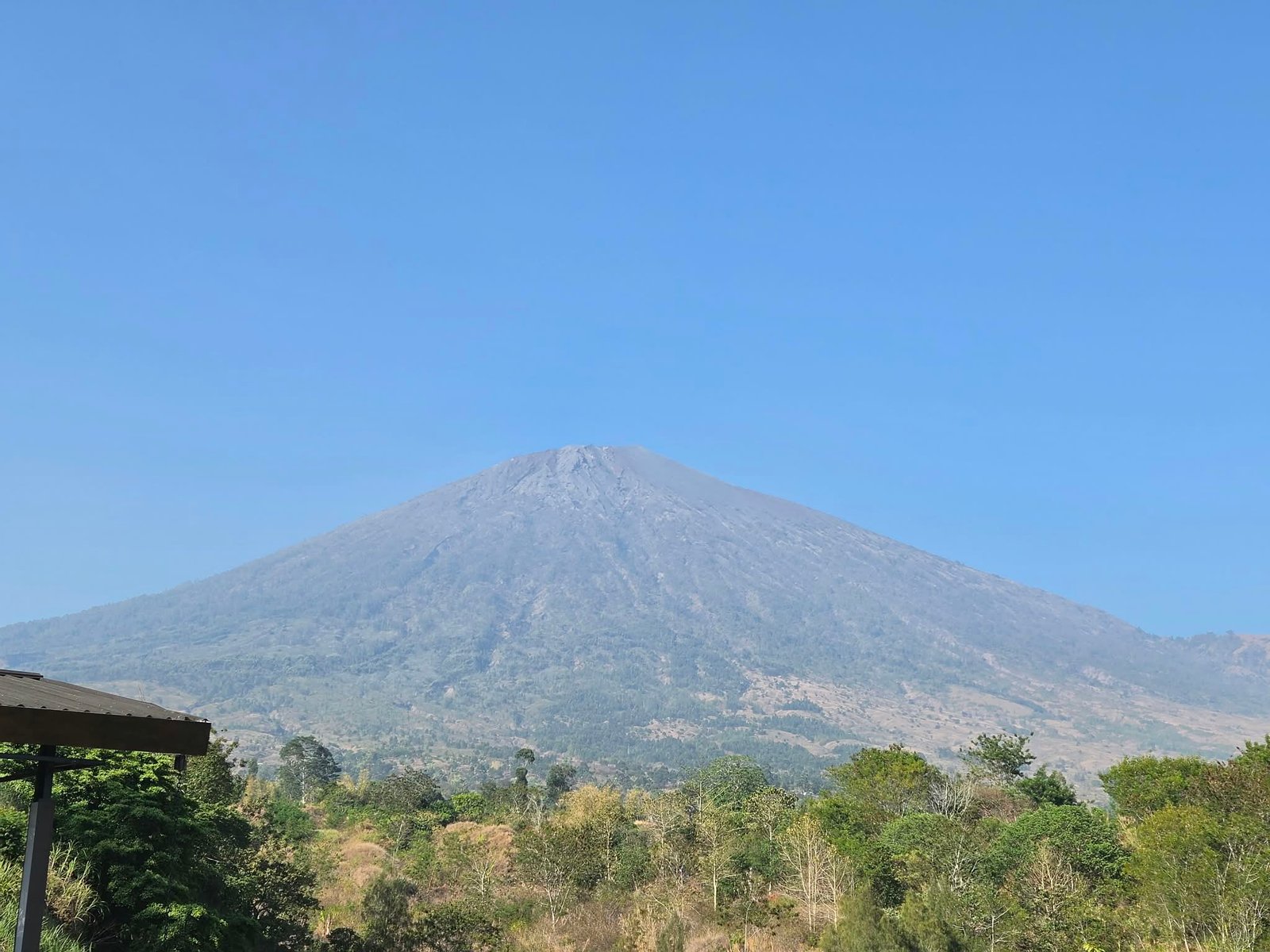
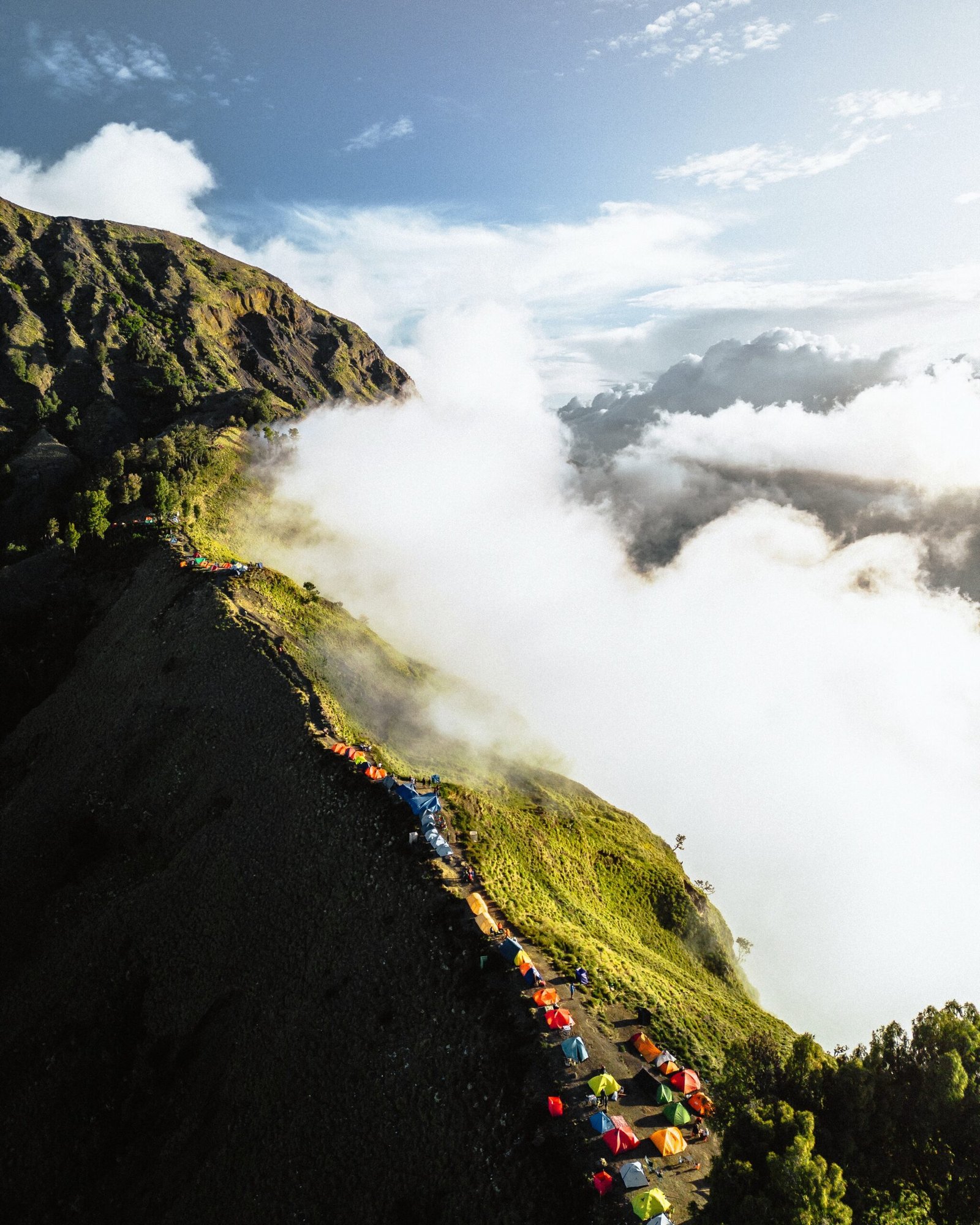
This is the prime period for Mount Rinjani volcano trekking. Days are typically sunny, trails are dry and firm, and visibility from the crater rim and summit is outstanding. Temperatures during the day range comfortably between 15°C and 25°C. However, as you ascend to the Sembalun Crater Rim (2,639m) and the true summit (3,726m), nighttime temperatures plunge sharply to around 3°C to 8°C.
2. The Wet Season (November to March)
Starting in November, rainfall increases significantly. By January, heavy monsoon storms, fierce high-altitude winds, and severe landslide risks prompt the national park to shut down all trails. Trekking during the peak wet months is illegal and highly dangerous.
📅 Month-by-Month Guide to Trekking Mount Rinjani
April to June: The Lush Shoulder Season
- April: The park reopens. The landscape is incredibly lush, vibrant, and green after months of rain. The “Hills of Regret” via Sembalun look like fields of fresh grass. Be prepared for occasional afternoon showers.
- May & June: Considered by expert guides as the absolute best time to visit. The weather stabilizes, the atmosphere is crisp, and the mountain is relatively quiet compared to the summer rush.
July to August: The Peak Summer Dry Season
- This is the driest and windiest stretch of the year, offering the highest mathematical chance of a perfectly clear sunrise at the summit.
- Important Note: Because it coincides with European summer holidays, the trails and crater rim camps are highly crowded. Due to strict daily quotas, you must book your Mount Rinjani trekking package 2 to 3 months in advance to secure a trekking permit.
September to October: The Quiet Dry Window
- Why September beats July: The heavy summer crowds return home, leaving the vast caldera peaceful again. The weather remains excellently dry, the nights are slightly warmer, and you get the iconic views mostly to yourself. October sees a minor transition with light clouds forming late in the day.
November to December: The Pre-Closure Transition
- Trails remain open, but moisture levels rise. Expect mud, foggy conditions, and regular downpours. Climbing to the true summit becomes slick and highly technical. We recommend shorter, lower-altitude alternatives like the Senaru Crater Rim 2D1N trek during this late stretch.
🎒 Essential Tips for a Safe Rinjani Climb
- Pack Layered Clothing: Never underestimate the cold. Bring a windbreaker, fleece layers, and thermal wear for the sub-zero wind chills at the peak.
- Book with a Registered Agency: International hikers are mandated by Indonesian law to trek with a licensed guide and porter team.
- Train for Endurance: Rinjani is physically demanding. Incorporate regular cardio and steep hill walks into your routine at least a month prior to arriving in Lombok.
📲 Secure Your Mount Rinjani Permits with Lombok Rinjani Guide
Don’t miss out on the perfect weather window! Trekking spaces are limited and secure slots sell out quickly during the peak months. Let Lombok Rinjani Guide manage your official TNGR park permits, mountain health checks, safety gear, and premium porter services.
- 📍 Head Office: Senaru, North Lombok, West Nusa Tenggara, Indonesia.
- 📞 WhatsApp Booking Hotline (24/7): +62 819 9302 3559
- 🌐 Official Site: https://lombokrinjaniguide.com/
