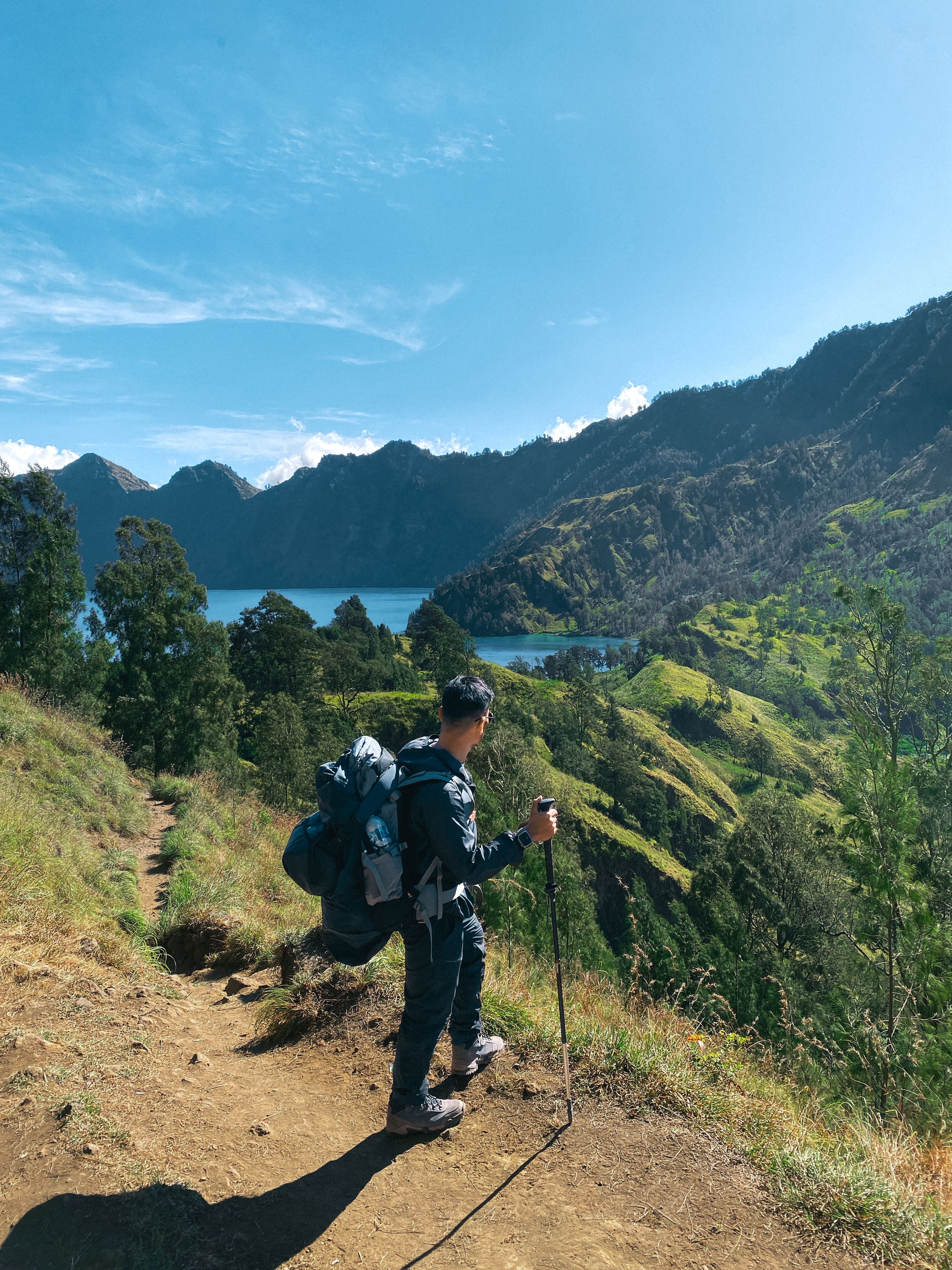
Hiker carrying a backpack while exploring the Mount Rinjani trekking landscape in Lombok
Photo by Eric Jo on Pexels
โ— TREKKING PREPARATION GUIDE

Mount Rinjani Trekking Preparation: Get Ready for Your Adventure

Preparing for Mount Rinjani trekking is an important part of creating a safe, comfortable, and rewarding mountain experience. Located on Lombok Island, Mount Rinjani offers challenging trails, changing weather conditions, steep terrain, and breathtaking natural scenery.

Whether you are planning your first mountain adventure or already have hiking experience, taking time to prepare your body, choose suitable equipment, and understand what to expect can make a significant difference throughout your journey.

From selecting the right trekking shoes and packing essential clothing to building physical endurance and preparing for cold mountain temperatures, every detail deserves attention before you begin your trek.

What Will You Learn in This Preparation Guide?

This guide focuses on practical preparation for your Mount Rinjani trekking adventure, including:

  • โœ“ Physical fitness and endurance
  • โœ“ Trekking equipment and packing checklist
  • โœ“ Clothing and footwear selection
  • โœ“ Food, hydration, and energy management
  • โœ“ Cold-weather preparation
  • โœ“ Mental readiness and common mistakes
Remember: A successful trekking experience begins before you reach the mountain. Good preparation helps you enjoy the journey with greater confidence and awareness.
Hiker using trekking poles while climbing the challenging Mount Rinjani trail in Lombok
Photo: Esther Hรถfling on Pexels

Understanding the Physical Challenge of Mount Rinjani

Mount Rinjani is a demanding trekking destination that requires preparation, patience, and consistent physical effort. The challenge is not simply about reaching a high elevation. Trekkers must also handle long walking hours, steep climbs, uneven ground, and changing trail conditions.

Different sections of the mountain present different challenges. Some trails pass through open grassland, while others involve forest paths, rocky slopes, and loose volcanic material. Your experience will depend on the chosen route, trekking itinerary, weather, and personal fitness level.

โ›ฐ๏ธ Steep Ascents Long uphill sections require leg strength, stamina, and a steady pace.
๐Ÿฅพ Uneven Terrain Rocky, sandy, and sometimes slippery surfaces require careful footing.
๐ŸŽ’ Long Trekking Hours Several hours of walking can lead to fatigue, especially without preparation.
๐ŸŒก๏ธ Changing Conditions Temperature, wind, rain, and altitude can affect your comfort and performance.
Why Does the Rinjani Trek Require Good Stamina?

Trekking on Rinjani involves repeated physical effort over extended periods. Uphill walking uses your leg muscles and cardiovascular endurance, while descending can place additional strain on your knees and joints.

Building a consistent fitness routine before your trip can help your body become more comfortable with prolonged walking and elevation changes.

How Does the Summit Trail Affect Trekkers?

The final ascent towards the summit is particularly demanding. The trail includes steep sections and loose volcanic sand, which can make forward progress slow and tiring.

Each step requires balance, patience, and energy management. Trekking poles and suitable footwear can help with stability, although they do not remove the physical difficulty.

Does High Elevation Make Trekking More Difficult?

Yes. As elevation increases, the amount of available oxygen decreases. Some people may experience altitude-related symptoms, and individual responses vary.

Do not ignore unusual symptoms or push yourself to continue. Inform your guide immediately if you feel unwell and follow appropriate safety advice.

Is Mount Rinjani Suitable for Every Beginner?

Not necessarily. Previous hiking experience can be helpful, but beginners should honestly assess their fitness, preparation, and comfort with challenging outdoor conditions.

Choose a suitable trekking itinerary, prepare gradually, and discuss your experience and physical condition with your trekking operator before departure.
Important preparation tip: Reaching the summit should never be more important than your safety. Listen to your body, communicate with your guide, and be prepared to adjust your trekking plan when conditions require it.
Hikers training on an outdoor mountain trail before a challenging trekking adventure
Photo: Pexels
BUILD YOUR FITNESS

How to Prepare Your Body Before Mount Rinjani Trekking

Physical preparation is one of the most important steps before starting your Mount Rinjani trekking adventure. The mountain involves long walking hours, uphill climbs, uneven trails, and demanding descents that require strength and endurance.

You do not need to become a professional athlete before visiting Rinjani. However, developing a regular exercise routine can help improve your stamina, strengthen your muscles, and make prolonged walking more manageable.

Ideally, begin preparing several weeks before your planned departure. Adjust the intensity gradually according to your current fitness level and personal health condition.

๐Ÿšถ Walking and Hiking

Practice regular walking and gradually increase the distance and duration. Include uphill routes when available.

๐Ÿฆต Leg Strength

Exercises such as squats, step-ups, and lunges can help strengthen the muscles used during climbing and descending.

โค๏ธ Cardiovascular Fitness

Activities such as cycling, swimming, and brisk walking can help develop cardiovascular endurance.

โš–๏ธ Balance and Stability

Gentle balance exercises can help improve body control when walking across uneven mountain terrain.

How Many Weeks Should You Prepare Before Trekking?

There is no single preparation period suitable for everyone. Your starting fitness level, hiking experience, and chosen trekking itinerary all influence how much preparation you need.

If you are relatively inactive, starting a gradual exercise routine around 6โ€“8 weeks beforehand can be a useful general target. People with limited fitness or health concerns may need more time and professional guidance.

Should You Practice Walking Uphill?

Yes. Walking uphill is useful because it helps your body become familiar with climbing movements and sustained effort. Start with gentle slopes and increase the difficulty gradually.

If hills are not available, stairs or a treadmill with an incline can provide alternative training options.

Do You Need to Train With a Backpack?

Occasional practice walks with a lightweight backpack can help you become familiar with carrying your personal items. Start with a comfortable load and increase it carefully.

Avoid unnecessary heavy loads. Your actual backpack weight will depend on your trekking arrangement and which equipment is carried by your porter.

What About Rest and Recovery?

Rest is an essential part of physical preparation. Allow enough recovery time between demanding exercise sessions, maintain good sleep habits, and avoid suddenly increasing your training intensity.

If you experience persistent pain, unusual breathlessness, dizziness, or other concerning symptoms during exercise, stop and seek appropriate medical advice.

Can Beginners Prepare for Mount Rinjani?

Beginners can work towards a trekking adventure by building fitness gradually and choosing an itinerary appropriate for their abilities. However, Mount Rinjani should not be treated as an easy first hike.

Discuss your hiking experience and preparation with your trekking operator before booking. Never feel pressured to continue if your physical condition or mountain conditions make it unsafe.

Local trekking advice: Consistency matters more than intense workouts at the last minute. Build your endurance gradually, practise walking regularly, and give your body enough time to recover before your Rinjani adventure.
Outdoor hiking backpack and essential equipment for a mountain trekking adventure
Photo: Pexels
TREKKING EQUIPMENT GUIDE

Mount Rinjani Trekking Packing Checklist

Choosing the right equipment is an important part of preparing for Mount Rinjani trekking. The mountain environment can be cold, windy, and unpredictable, while the trails involve long walking hours and different types of terrain.

Your packing list should focus on comfort, protection, and practical needs rather than carrying unnecessary weight. The exact equipment required will depend on your trekking itinerary, weather conditions, and the services included in your package.

Your Packing Progress 0 / 0
Tick each item after you have prepared it.
01. Essential Personal Items

Start with the basic items you may need throughout your trek.

02. Clothing and Warm Layers

Choose comfortable clothing and prepare additional layers for colder conditions.

03. Footwear and Hiking Accessories

Proper footwear can improve comfort and stability on uneven trails.

04. Personal Care and Toiletries

Bring compact personal care products and pack them in waterproof bags.

05. Safety and Navigation Equipment

Discuss essential safety equipment with your trekking operator before departure.

06. Food and Hydration Essentials

Coordinate food and drinking water arrangements with your trekking team.

Important: Not every item needs to be carried by you personally. Before departure, confirm which equipment, meals, drinking water, tents, sleeping bags, and other camping supplies are already included in your trekking package.
Mountain trekker wearing layered outdoor clothing in a cold mountain environment
Photo: Pexels
CLOTHING AND WEATHER PREPARATION

Clothing and Layering for Mount Rinjani Trekking

Choosing suitable clothing is essential when preparing for Mount Rinjani trekking. Conditions can change significantly throughout the journey, from warm and sunny weather during daytime walking to cold temperatures and strong winds at higher elevations.

Instead of relying on one thick jacket, consider wearing several layers that can be added or removed depending on the weather and your activity level. This approach helps regulate body temperature and keeps your clothing more comfortable throughout the trek.

1 Base Layer

Lightweight, moisture-wicking clothing that helps move sweat away from your skin.

2 Insulating Layer

Fleece or another warm layer that helps retain body heat in cold conditions.

3 Outer Layer

A suitable wind-resistant and waterproof jacket to protect against changing weather.

What Should You Wear During Daytime Trekking?

During active walking, lightweight and breathable trekking shirts are usually more comfortable than heavy clothing. Quick-dry fabrics can help manage perspiration during long uphill sections.

Wear comfortable trekking trousers, suitable socks, and clothing that allows you to move freely. Sun protection is also important on exposed trails.

What Clothing Do You Need for Cold Mountain Conditions?

Prepare a warm fleece or insulated jacket, long trousers, warm socks, gloves, and a suitable hat. Additional layers may be needed when resting at higher elevations or staying at the campsite.

Cold and windy conditions can feel especially uncomfortable when your body is no longer moving. Keep your warm clothing accessible rather than storing everything at the bottom of your backpack.

Do You Need a Waterproof Jacket?

A waterproof or weather-resistant outer layer is a useful item to bring because mountain weather can change unexpectedly.

Choose a jacket that also provides suitable wind protection and allows enough room for your other clothing layers underneath.

What Should You Wear for the Summit Attempt?

Summit attempts commonly begin during the night or early morning, when temperatures can be very cold and wind exposure can increase discomfort.

Prepare warm layers, gloves, a hat, comfortable trekking trousers, and suitable footwear. Adjust your clothing as needed to avoid becoming excessively sweaty during the climb.

How Can You Keep Your Clothes Dry?

Separate dry clothing from used or wet clothing. Waterproof dry bags or reliable waterproof backpack liners can help protect essential items.

Keep one complete dry set of clothing reserved for resting or sleeping at the campsite.

Local trekking advice: Avoid wearing cotton as your main base layer during strenuous walking. It can hold moisture and take longer to dry. Choose breathable, moisture-wicking materials and bring enough warm clothing for colder mountain conditions.
Hiking backpack and outdoor trekking equipment prepared for a mountain adventure
Photo: Pexels
HIKING GEAR AND EQUIPMENT

Footwear and Essential Hiking Equipment for Mount Rinjani

The right hiking equipment can make your Mount Rinjani trekking experience more comfortable and manageable. From rocky paths and steep climbs to loose volcanic sand, different trail conditions require suitable footwear and practical equipment.

You do not need to purchase expensive professional equipment for every item. The priority is choosing gear that fits properly, works reliably, and suits the trekking conditions you expect to encounter.

๐Ÿฅพ Hiking Shoes or Boots

Choose comfortable footwear with good grip, suitable support, and enough room for your toes.

๐Ÿšถ Trekking Poles

Adjustable poles can help with balance and reduce some strain during steep ascents and descents.

๐Ÿ”ฆ Headlamp

A reliable headlamp keeps your hands free during night trekking and early morning summit attempts.

๐ŸŽ’ Comfortable Backpack

Select a backpack with comfortable straps and enough capacity for your personal trekking items.

How Do You Choose the Right Hiking Shoes?

Choose hiking shoes that fit securely without squeezing your toes. Good traction is particularly useful on uneven surfaces, loose gravel, and sandy trails.

Try your shoes with the socks you intend to wear during the trek. Walk in them before your departure to identify uncomfortable pressure points or friction.

Avoid wearing brand-new shoes for the first time on Mount Rinjani. Familiar footwear can help reduce the risk of blisters and discomfort.

Are Trekking Poles Necessary?

Trekking poles are optional, but many hikers find them helpful when walking across steep or uneven terrain. They can improve balance and provide additional support during long descents.

Learn how to adjust their length and use them correctly before starting your trek. They should complement good walking technique, not replace it.

Why Is a Headlamp Important for Rinjani Trekking?

Some trekking itineraries include walking during nighttime or before sunrise. A headlamp provides hands-free lighting so you can see the trail while keeping your hands available for balance.

Check the battery level before departure and bring a suitable backup power solution or spare batteries according to your headlamp design.

What Type of Backpack Should You Bring?

Your backpack should be comfortable, adjustable, and appropriate for the amount of personal equipment you need to carry.

A smaller daypack may be sufficient when your trekking package includes porter support for shared camping equipment and supplies. Confirm the carrying arrangements with your trekking operator.

Should You Bring Gaiters?

Gaiters can help prevent loose sand, small stones, and debris from entering your shoes. They may be particularly useful on sections with loose volcanic material.

They are optional equipment, so consider your footwear, route conditions, and personal comfort before deciding whether to bring them.

How Should You Test Your Equipment Before Departure?

Test your shoes, backpack, headlamp, trekking poles, and rain protection before arriving in Lombok. Make sure straps, zippers, batteries, and adjustment mechanisms work properly.

A short practice walk with your prepared backpack can help you identify equipment problems before your actual trekking adventure.

Local trekking advice: Comfort and reliability matter more than expensive brand names. Test your equipment before departure and make sure your footwear is already comfortable for long-distance walking.
Personal travel toiletries and essential hygiene items arranged for an outdoor adventure
Photo: Pexels
PERSONAL CARE AND HYGIENE

Personal Items and Toiletries for Mount Rinjani Trekking

Personal hygiene and comfort are important during a multi-day Mount Rinjani trekking adventure. Although you will spend time outdoors and away from normal facilities, bringing a few practical personal care items can make your journey more comfortable.

The best approach is to pack lightweight, travel-sized products and bring only what you genuinely need. Organize your belongings into separate waterproof bags so they remain clean, dry, and easy to access.

๐Ÿชฅ Dental Care

Bring a toothbrush, small toothpaste, and any other personal dental care products you normally use.

๐Ÿงด Skin Protection

Prepare sunscreen, lip balm, and suitable personal skin care products.

๐Ÿงป Hygiene Supplies

Pack tissues, a small towel, hand sanitizer, and limited wet wipes.

๐Ÿ’Š Personal Medication

Carry your prescribed medication and necessary personal health supplies in their original packaging.

What Toiletries Should You Bring?

A compact personal hygiene kit is usually sufficient. Consider bringing a toothbrush, toothpaste, small towel, tissues, hand sanitizer, and a small amount of biodegradable soap where appropriate.

Choose travel-sized containers to reduce unnecessary weight and avoid bringing large bottles.

Do You Need Sunscreen on Mount Rinjani?

Yes. Some trekking sections are exposed to direct sunlight, and protection is useful even when the weather feels cool.

Choose a suitable broad-spectrum sunscreen and reapply it according to the product instructions. Sunglasses and a sun-protective hat can also help.

What Personal Medication Should You Prepare?

If you take regular prescription medication, bring enough for your trip and keep it accessible. Store it according to its packaging instructions.

Discuss any health concerns and medication needs with an appropriate healthcare professional before your trekking adventure. Do not share prescription medication with other trekkers.

How Can You Keep Personal Items Clean and Dry?

Use separate waterproof bags for toiletries, clean clothing, used clothing, and important personal belongings.

Keep liquids securely closed and separate them from electronics, documents, and clothing. This organization makes it easier to find what you need during the trek.

How Should You Manage Waste and Wet Wipes?

Bring a small reusable waste bag for used tissues, wet wipes, packaging, and other personal rubbish. Never leave these items on the mountain.

Wet wipes are not automatically biodegradable or suitable for disposal in nature. Carry used wipes and dispose of them according to park waste-management procedures.

Responsible trekking reminder: Keep the mountain clean. Bring only the toiletries you need, avoid unnecessary single-use packaging, and carry all personal waste back according to Mount Rinjani National Park procedures.
Nutritious food prepared to support energy during an outdoor trekking adventure
Photo: Pexels
FOOD AND HYDRATION GUIDE

Food, Hydration and Energy Management for Mount Rinjani Trekking

Maintaining your energy and hydration is an important part of preparing for Mount Rinjani trekking. Long walking hours, physical effort, and changing weather conditions can increase your body’s need for regular food and fluids.

A practical approach is to eat balanced meals, drink regularly, and carry suitable snacks for the trail. Your food and water arrangements should also be discussed with your trekking operator before departure.

๐Ÿ’ง Drinking Water

Carry a reusable bottle and drink regularly throughout your walking day.

๐ŸŒ Energy Snacks

Bring practical snacks such as bananas, nuts, dried fruit, or energy bars.

๐Ÿš Balanced Meals

Eat suitable meals that provide carbohydrates, protein, and other essential nutrients.

โšก Energy Management

Eat at appropriate intervals and avoid waiting until you feel completely exhausted.

How Much Water Should You Drink During Trekking?

Fluid needs vary between individuals and depend on temperature, walking intensity, body size, and personal health conditions. There is no single amount suitable for every trekker.

Drink regularly according to thirst and activity conditions. Avoid both dehydration and forcing excessive amounts of water in a short period.

Discuss water availability and refill arrangements with your trekking team before starting your journey.

What Snacks Are Good for Mount Rinjani Trekking?

Choose lightweight snacks that are easy to carry and suitable for your personal dietary needs. Examples include nuts, dried fruit, bananas, crackers, and energy bars.

Avoid experimenting with unfamiliar foods during your trek, especially if you have known food sensitivities or allergies.

Should You Eat Before Starting the Trek?

Yes. Having a suitable meal before starting can help provide energy for the first part of your journey. Choose foods you normally tolerate well.

A balanced breakfast containing carbohydrates and some protein is a practical option. Avoid eating too much if it makes you uncomfortable during physical activity.

Do You Need Electrolyte Drinks?

Electrolyte drinks or products may be useful in certain situations involving prolonged physical activity and significant sweating.

They are not essential for every trekker. Follow product instructions and consider any personal medical or dietary restrictions.

How Should You Manage Your Energy During Long Walks?

Maintain a comfortable walking pace and take appropriate breaks. Eating small snacks during long walking periods may help you maintain energy levels.

Do not wait until you feel extremely tired or weak before taking a break. Communicate with your guide when you need additional rest.

What Food and Drinks Are Included in a Trekking Package?

Food and drinking water arrangements depend on the trekking package you choose. Before departure, confirm the number of meals, drinking water provision, and any special dietary requirements with your operator.

At Lombok Rinjani Guide, our trekking packages include meals during the trek and drinking water as specified in the package arrangement. Guests can contact our team in advance to discuss dietary needs.

Local trekking advice: Do not underestimate the importance of food and hydration. Prepare your personal snacks, use reusable containers, and coordinate drinking water arrangements with your trekking team.
Mountain landscape with cold weather conditions and snow-covered peaks
Photo: Pexels
COLD WEATHER PREPARATION

Preparing for Cold Temperatures at Mount Rinjani

Preparing for cold weather is an important part of Mount Rinjani trekking. Although Lombok is known for its tropical climate, conditions at higher elevations can be significantly colder than in coastal areas and lowland villages.

During the trek, you may experience warm temperatures while walking and much colder conditions when resting at the campsite or starting an early morning summit attempt. Wind and wet clothing can make you feel even colder.

๐Ÿงฅ Insulated Jacket

Bring a warm fleece or insulated jacket to provide additional warmth during cold periods.

๐Ÿงค Warm Gloves

Gloves help protect your hands from cold temperatures and uncomfortable wind exposure.

๐Ÿงข Warm Hat

A suitable hat or beanie helps keep your head comfortable during colder mountain conditions.

๐Ÿงฆ Warm Socks

Bring dry, comfortable socks and keep an extra pair available for resting at camp.

Why Can Mount Rinjani Feel So Cold?

Air temperature generally decreases as elevation increases. Higher parts of Mount Rinjani can therefore feel much colder than the surrounding lowlands.

Wind exposure, moisture, and reduced physical activity during breaks can also affect how cold you feel.

How Should You Prepare for Cold Nights at Camp?

Keep your warm clothing accessible and change into dry clothes when needed. Avoid sitting around in sweaty or wet clothing for extended periods.

Use the camping equipment provided or confirmed by your trekking operator. Make sure your sleeping arrangement is suitable for the expected conditions.

What Should You Wear During an Early Morning Summit Attempt?

Prepare warm layers before leaving camp. A combination of a moisture-wicking base layer, insulating layer, and protective outer jacket can help you adjust to changing conditions.

Gloves, warm headwear, comfortable trousers, and suitable footwear are also useful. Keep additional clothing available if conditions become colder than expected.

How Can You Avoid Getting Too Cold During the Trek?

Wear suitable layers, protect yourself from wind and rain, and avoid allowing wet clothing to remain against your skin for long periods.

During breaks, put on an additional warm layer before your body cools down. Keep moving at a comfortable pace when conditions allow.

What Are the Warning Signs of Hypothermia?

Warning signs can include persistent shivering, unusual tiredness, poor coordination, confusion, and difficulty speaking clearly.

Hypothermia is a medical emergency. If you suspect someone is developing it, inform your guide immediately, protect the person from further cold exposure, and seek emergency assistance. Do not wait for symptoms to become severe.

Safety reminder: Never underestimate cold mountain conditions. If you or another trekker develops unusual symptoms related to cold exposure, inform the guide immediately and follow the appropriate emergency response.
Dramatic mountain landscape representing mental preparation for Mount Rinjani trekking
Section 10 ยท Trekking Preparation

Mental Preparation for the Mount Rinjani Summit Trek

Preparing for Mount Rinjani trekking is not only about physical fitness and having the right equipment. Mental preparation is equally important, especially when you are aiming to reach the summit. Long walking hours, steep trails, changing weather and physical fatigue can challenge your determination along the way.

A positive mindset does not mean ignoring difficulties. It means understanding that the journey may be demanding, staying patient when progress feels slow and making sensible decisions throughout the trek.

1. Set Realistic Expectations

Mount Rinjani is a challenging mountain, and every trekker experiences the trail differently. Your walking pace, fitness level and comfort with steep terrain may affect how you experience the journey.

Avoid comparing yourself with other hikers. Focus on your own progress, take breaks when needed and remember that reaching the summit is not the only measure of a successful trekking experience.

2. Learn to Manage Physical and Mental Fatigue

During a long trekking day, you may experience tired legs, slower walking speed or moments when the trail feels more difficult than expected. Instead of thinking about the entire distance ahead, focus on reaching the next rest point.

1

Take One Step at a Time

Keep a comfortable rhythm and concentrate on the next manageable section of the trail.

2

Use Your Rest Breaks

Take appropriate breaks, drink water and give your body time to recover before continuing.

3

Stay Patient

Do not rush to match another trekker’s pace. A steady and safe rhythm is more important.

4

Communicate Honestly

Tell your guide if you feel unwell, unusually exhausted, anxious or uncomfortable.

3. Prepare Yourself for the Summit Challenge

The summit section can be particularly demanding because of its steep and loose volcanic terrain. Walking may feel slow, and the conditions can change. Prepare mentally for a gradual climb rather than expecting to reach the top quickly.

Listen carefully to your guide’s instructions and follow the agreed trekking pace. If the guide recommends stopping, turning back or changing the plan because of safety conditions, take that advice seriously.

Important safety reminder: Reaching the summit is never more important than your health and safety. Weather, trail conditions, physical condition and official instructions may affect whether continuing is appropriate. Be prepared to adjust your goal when necessary.

4. Stay Flexible When Conditions Change

Outdoor adventures do not always follow the original plan. Weather changes, trail conditions or individual fitness levels may require adjustments to the itinerary. Keeping a flexible mindset helps you respond calmly instead of feeling disappointed when plans change.

5. Remember Why You Started

Think about what inspired you to visit Mount Rinjani. It could be the mountain scenery, the experience of trekking in Lombok, the challenge of hiking or the opportunity to spend time in nature.

Remembering your personal reason can help you stay motivated during difficult moments. At the same time, allow yourself to enjoy the journey instead of focusing only on the summit.

โ€œOne step at a time. One goal in mind. Enjoy the journey, respect the mountain.โ€

Frequently Asked Questions About Mental Preparation

Is mental preparation important for Mount Rinjani trekking?

Yes. Mental preparation can help you manage expectations, remain patient during difficult sections and communicate more confidently with your guide. It should complement physical training and proper equipment.

What should I do if I feel like giving up during the trek?

Stop in a safe place, communicate honestly with your guide and assess how you feel. Rest and follow your guide’s advice. If you experience concerning symptoms or feel unable to continue safely, do not force yourself to keep climbing.

Should I push myself to reach the Mount Rinjani summit?

No. You should never ignore serious fatigue, illness, dangerous weather or safety instructions just to reach the summit. Your guide can help assess the situation and recommend the safest decision.

Can beginners prepare mentally for Mount Rinjani?

Yes. Beginners can prepare by learning about the trekking challenge, building fitness gradually, practising with their hiking equipment and maintaining realistic expectations. Choosing a suitable trekking program is also important.

Respect the Mountain, Enjoy the Journey

A memorable Mount Rinjani trekking experience is about more than reaching the highest point. Prepare carefully, respect your limits, listen to your guide and appreciate every step of the adventure.

Airplane flying above the clouds during travel to Lombok Indonesia
Section 11 ยท Travel Preparation

Preparing Your Travel Documents and Booking for Mount Rinjani Trekking

Before starting your Mount Rinjani trekking adventure, take time to prepare your travel documents and confirm your arrangements in Lombok. Having the right information ready can make your arrival, accommodation and trekking preparations much smoother.

International visitors should pay attention to passport and entry requirements, while all trekkers should keep their booking details and important travel information accessible before departure.

1. Check Your Passport and Indonesia Entry Requirements

If you are travelling to Indonesia from overseas, check that your passport meets the validity requirements for your nationality and intended stay. Entry rules, visa options and permitted activities can differ depending on your passport and travel circumstances.

Check the latest official Indonesian immigration information before travelling. Make sure you understand the visa or entry permission applicable to your visit, and do not assume that the same rules apply to every nationality.

Travel reminder: Keep a digital copy of your passport, visa or entry documents, flight details and travel insurance information in a secure location. Carry the original documents when required by the relevant authorities or service providers.

2. Confirm Your Mount Rinjani Trekking Booking

Once you have chosen your trekking program, make sure you receive clear confirmation of the arrangements. Review the dates, number of participants, program duration, price and services included before your trip.

๐Ÿ“…

Trekking Dates

Confirm your trekking start date, duration and expected finishing date.

๐Ÿ‘ฅ

Number of Guests

Check that the booking reflects the correct number of trekkers.

๐Ÿ’ณ

Payment Details

Understand the agreed price, deposit arrangements and remaining balance.

๐ŸŽ’

Package Inclusions

Review what is included and what you need to prepare or pay for separately.

3. Prepare Your Arrival Information in Lombok

Share your arrival details with your trekking operator in advance. This is especially important if you need a pickup from Lombok International Airport, a hotel, a harbour or another location on the island.

Provide your flight number or arrival time, hotel name, accommodation address and a reachable contact number. If your travel schedule changes, inform your operator as soon as possible.

4. Arrange Accommodation Before the Trek

Depending on your trekking program, you may need to arrive in Senaru before the trek begins. Staying in the village can help you prepare your personal belongings, meet your trekking team and get ready for the following day’s departure.

Confirm whether pre-trek accommodation is included in your package or needs to be arranged separately. Also check the check-in time and the location where your team will meet you.

5. Check Your Travel Insurance

Consider purchasing travel insurance that specifically covers trekking activities at the altitude and conditions relevant to your Mount Rinjani program. Standard travel insurance may exclude certain adventure activities or high-altitude trekking.

Read the policy carefully. Check its coverage for medical expenses, emergency evacuation, trip interruption and other relevant situations. Make sure the policy is valid for your travel dates and activities.

6. Keep Important Information Easy to Access

Mobile internet access may be limited in some areas during your journey. Save important documents and booking information on your phone so you can access them when needed.

Pre-Departure Travel Checklist

Frequently Asked Questions About Travel Preparation

Do I need to book Mount Rinjani trekking in advance?

Booking in advance is recommended so you have time to confirm your trekking dates, availability, package details and travel arrangements. Always check current park regulations and booking procedures before your trip.

Should I arrive in Senaru one day before trekking?

Arriving in Senaru before the trekking start date can make preparation easier, especially if your program includes pre-trek accommodation. Confirm the recommended arrival time with your trekking operator.

Does travel insurance need to cover Mount Rinjani trekking?

You should check that your policy explicitly covers the trekking activity and relevant altitude. Some policies exclude mountain trekking or require additional adventure-sports coverage.

What information should I send for airport pickup?

Share your arrival date, flight number, scheduled landing time, number of guests, luggage details and a reachable contact number. Confirm the pickup meeting point with your operator.

Plan Your Lombok Arrival with Confidence

Good travel preparation helps you begin your Mount Rinjani adventure with fewer last-minute worries. Confirm your documents, booking, accommodation and pickup arrangements before travelling to Lombok.

Hikers walking together on a mountain trekking trail
Section 12 ยท Trekking Advice

Common Mount Rinjani Trekking Preparation Mistakes to Avoid

Preparing for Mount Rinjani trekking requires more than choosing a trekking date and packing a backpack. Small mistakes before departure can make your mountain experience more difficult than necessary. Understanding what to avoid will help you prepare more confidently and enjoy your adventure in Lombok.

Whether you are a first-time hiker or an experienced trekker, proper preparation, realistic expectations and responsible decisions are essential when exploring Mount Rinjani.

1. Starting the Trek Without Enough Physical Preparation

One common mistake is assuming that ordinary daily walking is enough preparation for a challenging mountain trek. Mount Rinjani involves steep climbs, uneven trails and extended periods of physical activity.

Without gradual preparation, your legs, balance and cardiovascular endurance may struggle with the demands of the trail.

How to avoid it: Begin a suitable fitness routine before your trip. Include regular walking, uphill training, leg-strength exercises and recovery days.

2. Wearing New Shoes for the First Time on the Mountain

Wearing brand-new hiking shoes during the trek can cause discomfort, rubbing and blisters. Shoes that have not been tested may also provide insufficient grip or support for your feet.

How to avoid it: Test your hiking footwear on shorter walks before travelling. Make sure the fit is comfortable and suitable for uneven terrain.

3. Bringing Too Much Unnecessary Equipment

Packing too many clothes, accessories and unnecessary personal items can make your backpack heavier and more difficult to manage. Every extra item should have a practical purpose.

How to avoid it: Use a checklist and pack according to your trekking program. Confirm with your operator which camping equipment and supplies are already provided.

4. Underestimating the Cold Weather

Some visitors associate Lombok with warm tropical weather and arrive without enough clothing for mountain conditions. Higher elevations, early mornings and nighttime at camp can feel much colder than the coastal areas.

How to avoid it: Prepare warm layers, a suitable outer jacket, dry clothing and accessories that help protect you from cold and wind.

5. Ignoring Hydration and Energy Needs

Walking for long periods requires attention to hydration and regular energy intake. Waiting until you feel extremely thirsty or exhausted before taking a break can make the trek more difficult.

How to avoid it: Drink regularly, follow your guide’s advice and eat meals or snacks according to your needs and the arrangements of your trekking package.

6. Not Checking What Is Included in the Trekking Package

Another common mistake is assuming that every trekking package includes exactly the same services. Accommodation, transportation, meals, drinking water, equipment and other arrangements can differ between operators.

How to avoid it: Request a clear list of inclusions and exclusions before confirming your booking. Ask questions if any service is unclear.

7. Arriving Too Late or Without Confirmed Pickup Details

Unclear arrival arrangements can create unnecessary stress before your trekking adventure. Last-minute changes to flights, accommodation or pickup locations may affect your preparation schedule.

How to avoid it: Share your arrival details early, confirm the pickup point and keep your trekking operator informed about schedule changes.

8. Forgetting Personal Medication and Essential Items

Leaving important personal items behind can be inconvenient, particularly when you are already on the mountain. Personal medication, sun protection and basic hygiene items should be prepared before departure.

How to avoid it: Prepare a personal essentials checklist. Keep necessary medication in its original packaging and follow the advice of your healthcare professional.

9. Pushing Too Hard to Reach the Summit

Some trekkers become so focused on reaching the summit that they ignore their physical condition or changing mountain conditions. This can create unnecessary risks.

Safety comes first: Never ignore serious symptoms, dangerous weather or your guide’s safety instructions just to reach the summit. Be prepared to stop, turn back or adjust the trekking plan when necessary.

10. Not Getting Enough Rest Before the Trek

Travelling long distances, staying up late or starting the trek while exhausted can make the first trekking day more challenging. Your body needs adequate rest before demanding physical activity.

How to avoid it: Plan your arrival with enough time to settle in, organize your belongings and get a good night’s rest before starting the trek.

Frequently Asked Questions About Trekking Mistakes

What is the biggest mistake beginners make before Mount Rinjani trekking?

A common mistake is underestimating the physical challenge. Beginners should prepare gradually, test their footwear and equipment, and choose a trekking program that matches their fitness and experience.

Can I trek Mount Rinjani without training?

It is not advisable to approach a demanding mountain trek without preparation. Build your fitness gradually before departure and discuss your experience and physical condition with your trekking operator.

Should I bring my own tent and sleeping bag?

This depends on your trekking package. Some packages provide camping equipment such as tents, mattresses and sleeping bags. Confirm the exact equipment provided before deciding what to bring.

Is reaching the summit necessary for a successful Rinjani trek?

No. A successful trekking experience also means making responsible decisions, respecting the mountain and returning safely. Summit attempts should always depend on individual condition and actual trail and weather conditions.

Prepare Smart. Trek Responsibly.

Avoiding these common mistakes can help you approach Mount Rinjani trekking with better preparation and confidence. Take time to plan, listen to your trekking team and respect the mountain throughout your journey.

Beautiful mountain landscape inspiring a Mount Rinjani trekking adventure in Lombok
Section 13 ยท Your Rinjani Adventure

Get Ready for Your Mount Rinjani Adventure with Lombok Rinjani Guide

Preparing for Mount Rinjani trekking is an important part of creating a memorable mountain experience. From building your physical fitness and choosing the right equipment to arranging your travel documents and understanding the challenges of the trail, every preparation helps you approach the journey with greater confidence.

At Lombok Rinjani Guide, we help travellers prepare for their Mount Rinjani adventure with trekking arrangements and local support in Lombok. Our team is based in the Senaru area, giving guests a local point of contact before their trekking journey begins.

Explore Mount Rinjani with Local Trekking Support

Whether you are planning a summit trek, a crater rim experience or a multi-day mountain adventure, choosing a suitable program is an important first step. We can help you understand the available options and prepare the arrangements for your trip.

๐Ÿ”๏ธ

Mount Rinjani Trekking Programs

Explore available trekking options and choose a program that suits your schedule, experience and travel plans.

๐Ÿงญ

Local Guide and Porter Team

Get information about the trekking team and the support arrangements for your mountain journey.

๐Ÿš

Lombok Transportation

Discuss pickup and drop-off arrangements from locations across Lombok, according to your package.

โ›บ

Trekking Preparation Support

Ask about accommodation, equipment, meals and other arrangements included in your selected package.

Our recommendation: Before booking, share your preferred trekking date, number of participants and chosen program. This allows our team to explain the available arrangements and help you prepare for your trip.

Plan Your Mount Rinjani Trekking Experience

If you are still deciding which Mount Rinjani trekking program is right for you, take a look at our available options and contact our team for further information.

We believe a great mountain adventure begins with good preparation, clear communication and respect for nature. Take your time, prepare responsibly and enjoy every step of your journey in Lombok.

Ready to Begin Your Rinjani Adventure?

Contact Lombok Rinjani Guide to ask about trekking programs, availability, package details and travel arrangements.

Contact Us on WhatsApp
ONE STEP. ONE GOAL. Keep moving forward with consistency, because every step brings you closer to your goal.