Conquering the steep volcanic trails of Lombok via the express itinerary requires incredible stamina. However, the biggest hidden obstacle on a rapid 48-hour climb is not muscular fatigue; it is the drop in atmospheric pressure. Managing the risk of Rinjani 2D1N altitude sickness is paramount since you will rapidly ascend from Sembalun village (1,156m) to the towering summit at 3,726 meters within an intense 30-hour window.
Understanding the biological impact of thin air ensures a safe return home. As a fully certified eco-operator, Lombok Rinjani Guide has created this comprehensive medical and logistical blueprint to help international climbers identify Acute Mountain Sickness (AMS) and manage emergency safety protocols effectively.
🩺 Understanding AMS (Acute Mountain Sickness) Above 2,500 Meters
Biological studies show that the human body notices a significant drop in oxygen availability once it moves past the 2,500-meter baseline. Because the Sembalun crater rim camp sits at 2,641 meters and the true peak reaches 3,726 meters, experiencing mild physiological adjustments is completely normal.
To keep yourself safe during a fast express package, you must be able to differentiate between normal climbing exhaustion and developing AMS medical issues:
1. Common Mild Symptoms at the Crater Rim
- Mild throbbing headaches or slight dizziness.
- Temporary loss of appetite and mild nausea.
- Disturbed sleep cycles or fatigue due to the cold 5°C night breeze.
2. Severe Emergency Red Flags (Requires Immediate Descent)
- Extreme disorientation, slurred speech, or heavy confusion.
- Ataxia (the complete inability to walk in a straight line on the trail).
- A persistent dry cough accompanied by pink, frothy sputum.
📋 Tighter National Park Regulations for 2026 Climbers
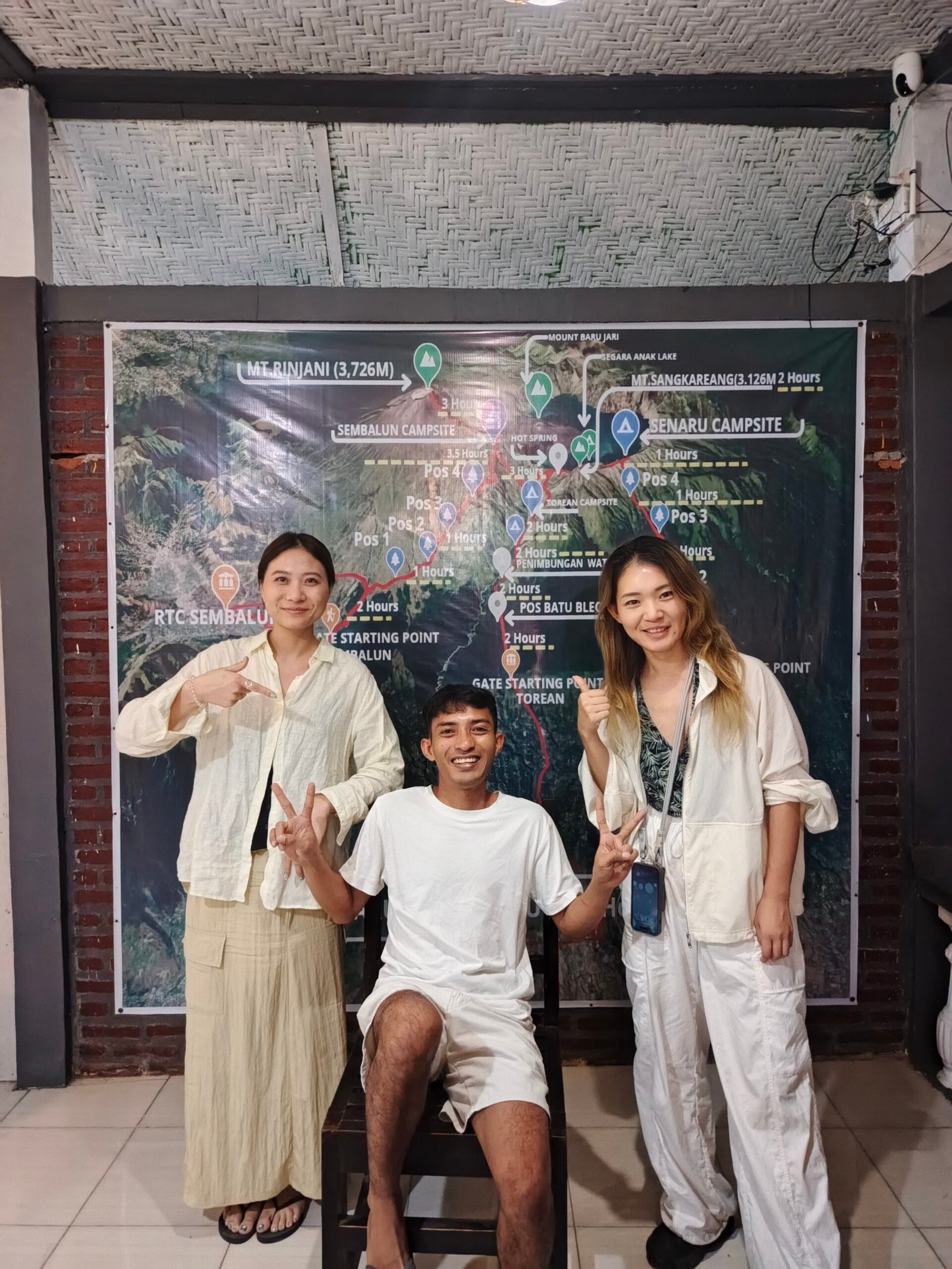
Following recent evaluation protocols, the National Park Authority (BTNGR) has introduced mandatory health screenings to guarantee safer mountaineering environments. Consequently, hikers must submit an official medical check-up certificate issued less than 24 hours before stepping onto the Sembalun trail.
| Official Health Check Metrics | Normal Baseline Ranges | Purpose of Mountain Screening |
|---|---|---|
| Blood Pressure Check | Under 120/80 mmHg | Prevents high-altitude cardiovascular stress |
| Oxygen Saturation (SpO2) | 95% – 100% | Detects pre-existing respiratory constraints |
| Heart Rate Monitoring | 60 – 100 BPM | Ensures readiness for rapid cardio strain |
Furthermore, all climbers must buy mandatory tracking permits synced to the official e-Rinjani portal alongside comprehensive emergency medical evacuation insurance coverage.
🎒 Top Safety Mitigation Strategies for Fast Climbs
Preventing the risk of Rinjani 2D1N altitude sickness is largely determined by your hydration habits and walking pacing. Follow these four proven safety metrics on the trail:
- Hydrate Aggressively: Drink a minimum of 3 to 4 liters of clean water daily. Avoid dehydrating beverages like alcohol for 48 hours prior to starting.
- Maintain a Slow Rhythm: Do not race through the savannah. Walk at a steady, rhythmic pace—widely known as “Pole-Pole” (slowly, slowly) to allow gradual lung acclimatization.
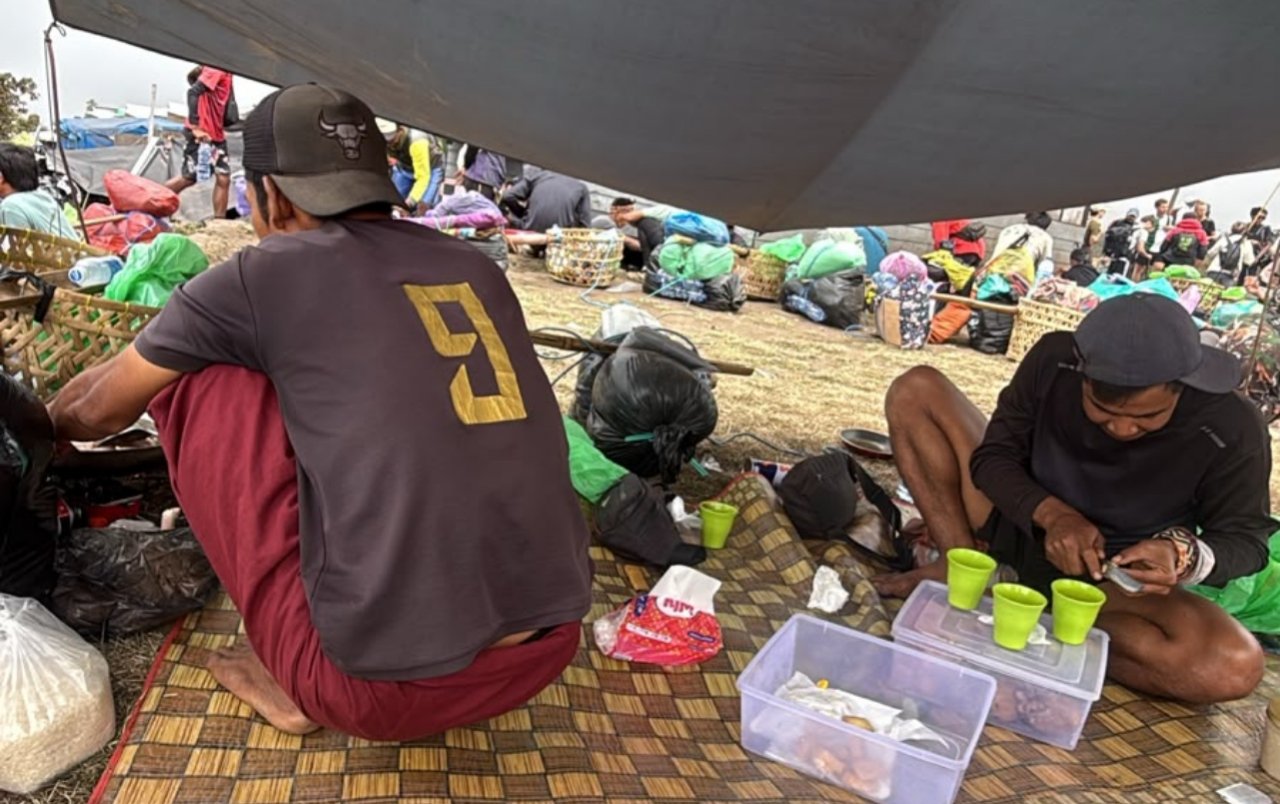
- Eat Despite Appetite Loss: High elevation naturally suppresses your appetite. Force yourself to eat the nutrient-rich meals prepared by your staff to maintain stable blood glucose levels.
- Communicate Transparently: Never hide a headache or nausea out of pride. Inform your guide immediately so they can monitor your vitals.
📲 Hike Safely under Expert Supervision
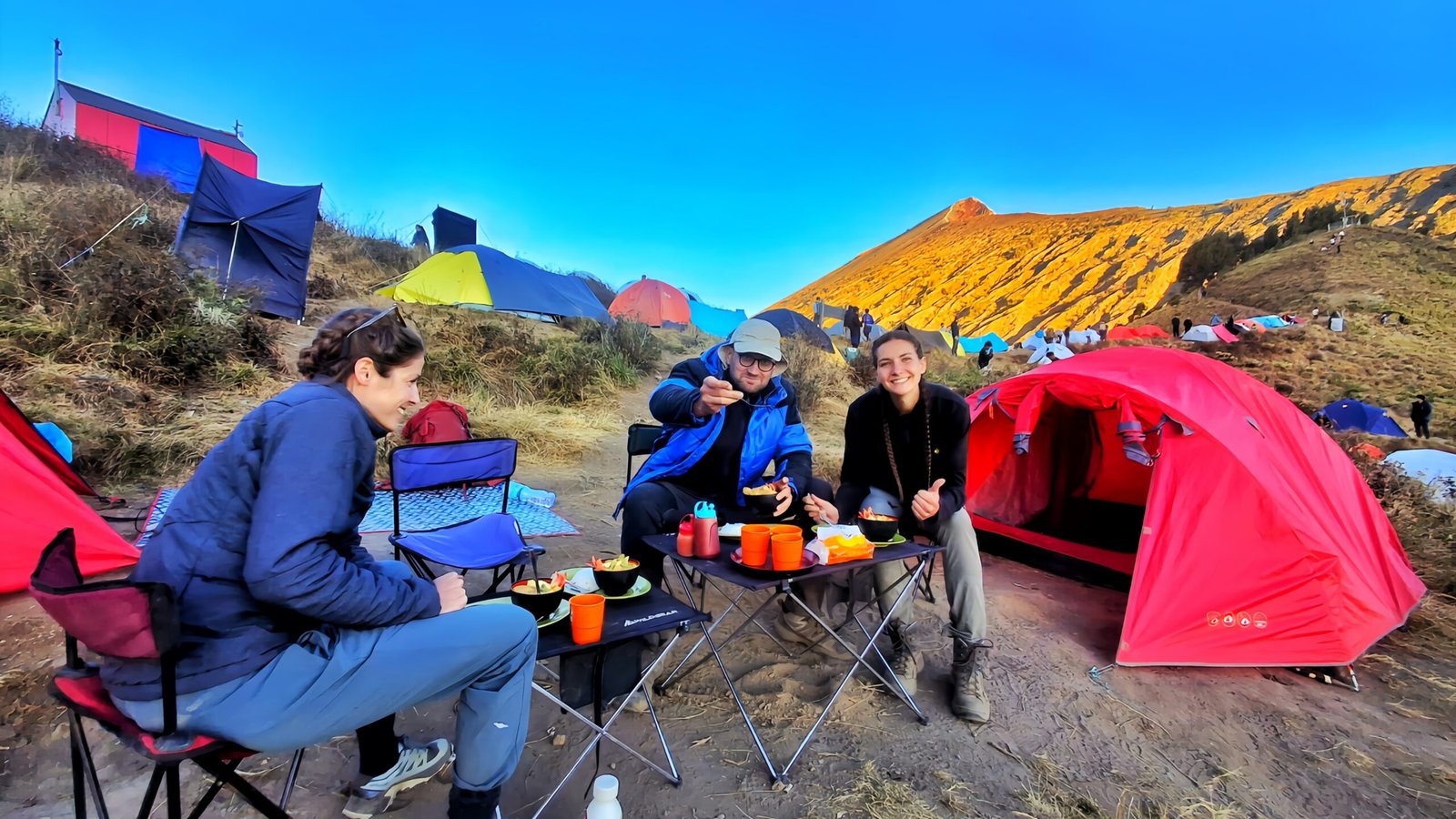
Conquering a massive active volcano on a tight 2-day schedule requires premium support. At Lombok Rinjani Guide, our local team carries portable oxygen tanks, comprehensive medical kits, and satellite radios for instant response. We cross-check physical physical labels on your personal medication lists to guarantee your absolute safety on the slopes.
- 🏢 Registered Office: Senaru / Sembalun, Lombok, Indonesia.
- 🟢 Emergency WhatsApp Hotline (24/7): +62 819 9302 3559
- 🌐 Main Website Platform: https://lombokrinjaniguide.com/2-d-1-n-mount-rinjani-summit/
